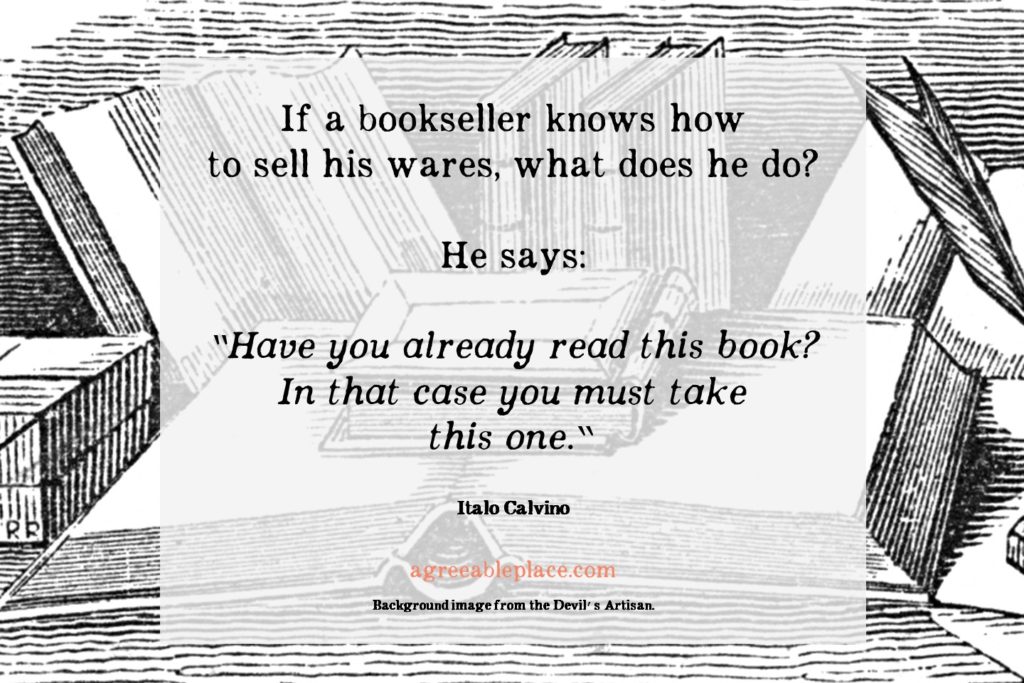
As I journey into BC’s bookselling past, I am still very much a bookstore lover of the present, and Galiano Island Books is a book lovers’ haven.
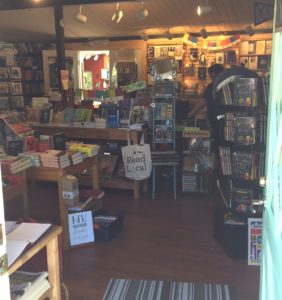
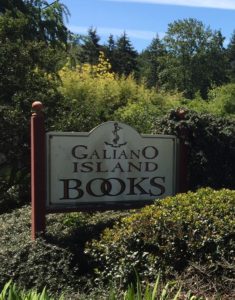 Whenever I visit Galiano, a visit to the store is a must, and I never leave empty-handed. (It’s impossible! So. Many. Wonderful. Books.)
Owned by Lee Trentadue and Jim Schmidt, the cozy, welcoming store is celebrating its twentieth anniversary this year. In a recent conversation, Lee told me how she and Jim first fell in love with the idea of becoming booksellers and how they have kept the independent bookstore going strong for two decades.
Was there a bookstore on Galiano Island before you opened in 1997?
Lee: No, we started from scratch. There were some books sold at Montague Harbour, mainly for boaters, but there was no full-service bookstore.
Did you live on the island at the time?
Lee: We did. I was taking care of my grandkids in the city, so I lived three days a week in the city and then the rest of the week out here.
Were you coming from the book business?
Lee: No. I am a psychologist by trade and had worked at Vancouver General Hospital for many years, but I was looking for a bit of a change.
I read that your daughter was the one who initially wanted to open a bookstore…
Lee: That’s right. When Mary was exploring her career as a bookseller, she started inviting us to go along with her to book fairs and we kind of fell in love with the business. And then when she wanted to open her store, we said, “Why don’t you try opening on the island rather than competing with the Big Box stores and Amazon?” But she said, “I’m not quite ready to retire to an island.” And by that time we had found a property and decided we would go for it, so we bought the property and we both opened our bookstores within about four months of each other. Mary opened a store in North Vancouver, 32 Books. She ran it for close to ten years, but then decided to sell it.
What made you fall in love with the idea of running a bookstore?
Lee: I’ve always been a huge lover of independent bookstores, and all my life a reader, so I guess it’s just the magic of bookstores, the romance of the idea of opening a store—and I don’t think I’ve really ever lost that. I’m also a bit of a risk taker, I guess!
“I guess it’s just the magic of bookstores.” [Lee Trentadue]
Yeah, because in the late 1990s, the bookstore situation was—
Lee: Not good! The last twenty years have probably been the worst years in bookselling in a long time. But things are moving back to independent bookstores thriving again. We’ve weathered the storm, I think.
There seems to be a revival of people valuing printed books.
Lee: I think so. For different ages, it’s for different reasons. I know for young people, including my grandkids, they spend a lot of time on computers, and they find it stressful to read on e-readers and iPads. There are so many distractions on those devices, so they enjoy a book because that doesn’t happen. And there are people who have tried out e-readers and for whatever reason found them lacking or frustrating. And then there are those who never really left books.
There’s something about bookstores on islands. I have had the chance to visit a few recently, and I think they are better than in the city where I live, Vancouver. I imagine there must be some benefits to being on an island, but also some challenges.
Lee: People usually have time to browse when they’re on an island. And on islands, people do slow down. But yes, there were also huge challenges. We love to do events, and that was tricky getting authors to the island. So eight years ago we decided to have a literary festival. We started the Galiano Island Literary Festival, which happens each February and has been going strong.
Is the seasonal aspect of island tourism a challenge in terms of customers?
Lee: Not really. Increasingly, our tourist season has become longer and longer. For us, it now starts in February with the literary festival, then into March for the spring breaks, then April and May and we’re into the summer. It slows down in September, but there are still a lot of people travelling. September and October are still pretty busy, so there’s just a few weeks in there before Christmas starts. It keeps us steady. And, of course, our islanders are huge readers, which I did notice before I opened the bookstore!
Did you feel quite welcome when you opened?
Lee: Very much so, and that has continued.
And you launched the store with your husband, Jim [Schmidt]?
Lee: Yes, that’s right.
What did he do before becoming a bookseller?
Lee: He’s a neuropsychologist. He still works at that, at our private practice in Langley, but he loves to work here on the weekends. He comes and receives books, and he takes care of our online store. We sell some hard-to-get books, and our inventory is all online, and he takes care of that. He’s also very much a reader.
I imagine it must be a professional hazard for a reader to be surrounded by all those books!
Lee: At times it is overwhelming! There are books in every room in our house. And sometimes you think, ‘Okay, I’m not reading,’ and that lasts for a few hours. We have a complete library in the city and on the island, but both of us love that. Neither of us resents the mess of books. We’re always moving books around to make room for something else.
What’s your favourite part of running a bookstore?
Lee: I think the people. The customers. Here on the island, we’ve seen kids grow up who have been coming into the store all their lives.
Was your building there when you bought the property?
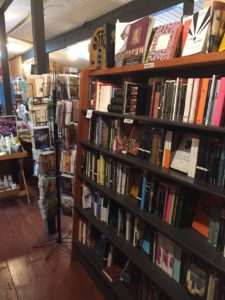
Lee: It was here, but we had to renovate it. It had been used for a few things over the years, like a real-estate office, a restaurant at one time, and then an art museum, and some sort of regional office. When we bought it, it needed to be gutted, so we did that. We got our floors from, I think it was a military base on Vancouver Island. They were walls, I think, that were repurposed for our flooring. Our cash desk was from an auction house, a liquidator. The guy doing all the interior renovations, he made all the bookshelves from scratch using wood from the island. They’ve withstood quite a few years!
When you first started, did you have any expectations about how long you would be doing this?
Lee: I was pretty serious. I don’t think you should go into bookselling thinking it’s going to be a short-term thing, especially if you love books, because I had a sense that it would be hard to leave. I said to someone when we opened, ‘Oh well, you’ll probably find me buried under a bookshelf one day.’ I’ve always had this image of little old people in bookstores who have been there for a hundred years. In bookstores I’ve been to all over the world, I always have that notion…of people who open a bookstore and just never leave.
“You’ll probably find me buried under a bookshelf one day.” [Lee Trentadue]
Are there any bookstores that stand out for you from those travels?
Lee: Shakespeare and Company in Paris; the Strand in New York City; City Lights in San Francisco; Powell’s, of course, in Oregon. For Canadian bookstores, Duthies, which I brought my kids to as babies. Steven Temple’s rare bookstore in Toronto; Pages in Toronto. I’m originally from Toronto, and there was also an art bookstore that Ed Mirvish, of Honest Ed’s, was associated with [it was David Mirvish Books, owned by Ed’s son]. I always visited it.
Do you have any bookselling mentors? People who helped you along the way?
Lee: I do. Cathy Jesson from Book Warehouse and Black Bond Books, and her brother, Michael Neill from Kelowna, are wonderful people for helping new booksellers. And Mel Bolen, of Bolen Books, of course, was just so welcoming to me. I remember sitting at a CBA [Canadian Booksellers Association] event, in Toronto, and she was holding my hand and saying “you’ll just do fine.” She was such a wonderful, welcoming, and talented bookseller. These were people, you could pick up the phone and they would answer any question you had.
In my research of nineteenth-century booksellers, I’ve found you can draw a web of these relationships between booksellers, where you might see clerks in one store who would then leave and open their own store. A continuous passing of the baton.
Lee: Yes, yes.
Do you have a sense of being part of a profession with such a long history?
Lee: Definitely, definitely. There’s a huge community of booksellers across Canada who we’re in touch with, and we help each other out a lot whenever something comes up. It’s a strong community of very good friends, and I think this has always been the case. And the history of bookselling is fascinating, going back hundreds and hundreds of years. It’s a very proud profession.
***
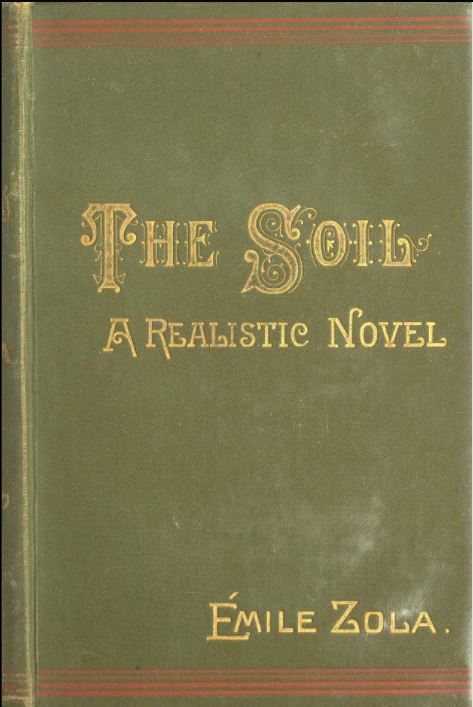
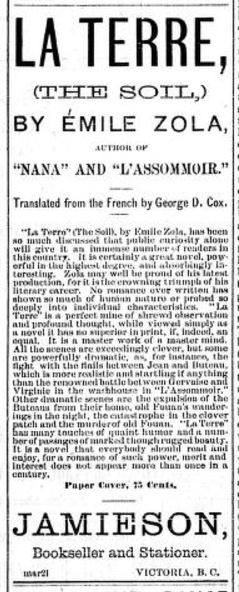
 One of the books for sale at BC bookstores in 1888 caused a great deal of hand-wringing and finger-wagging among members of the book trade—and, no doubt, a large number of discrete purchases by curious and more adventurous readers.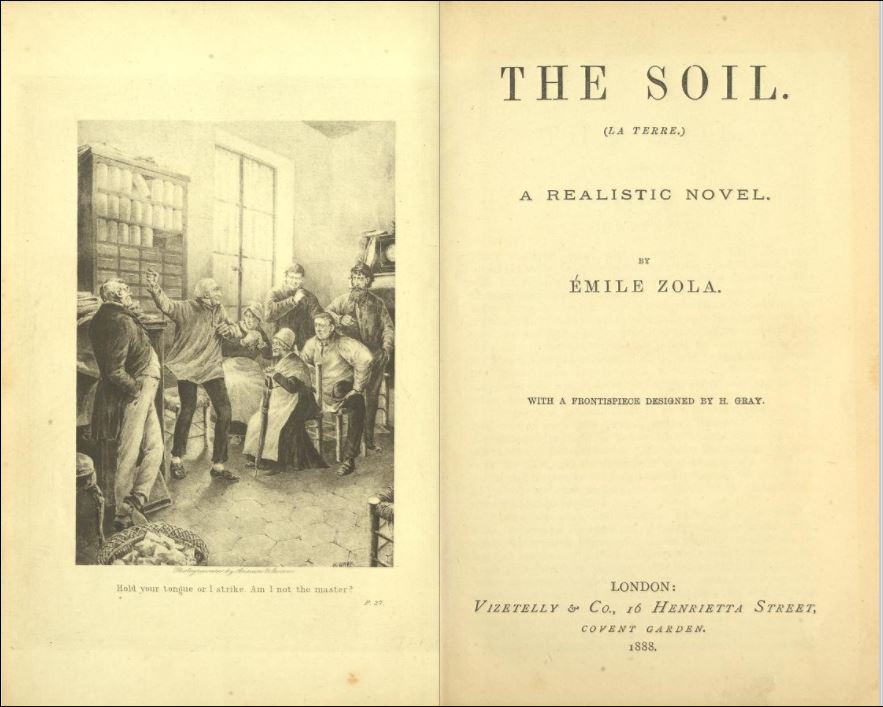

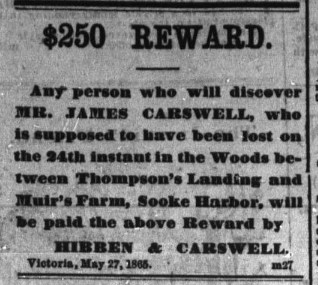
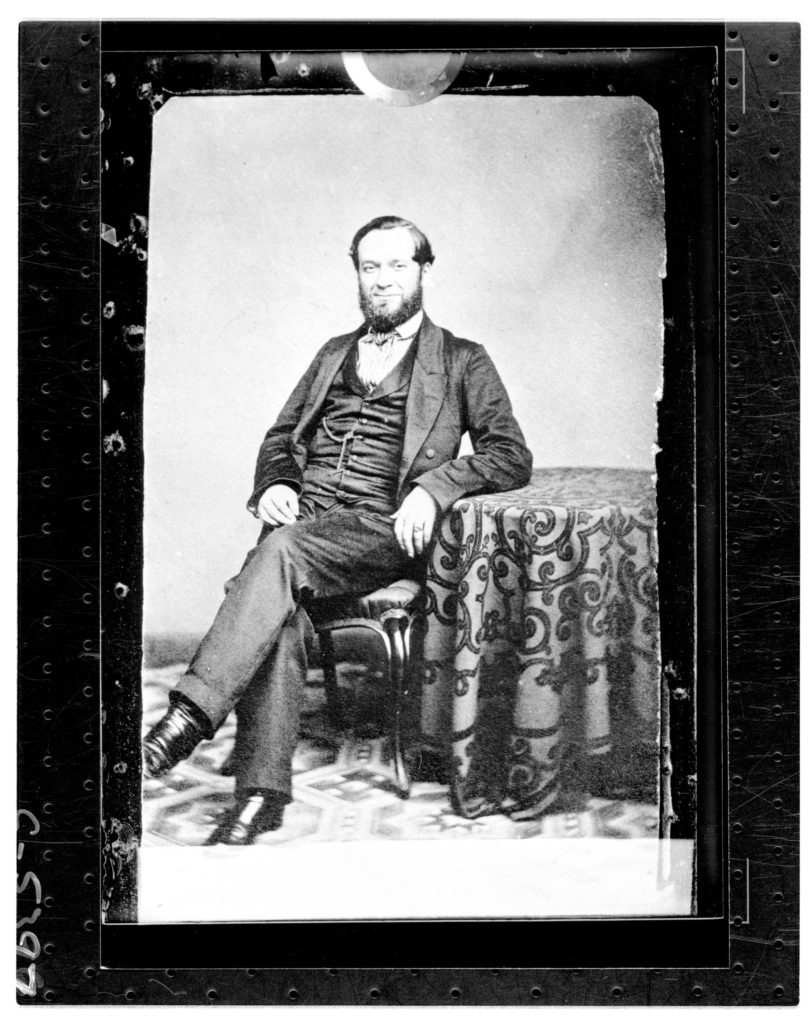
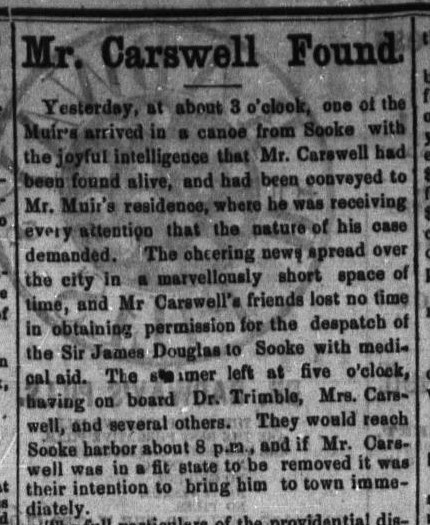 And then, hurrah, came the headline on May 31: “Mr. Carswell Found!” What’s more, he was reportedly in good condition and spirits.